
About
Mission
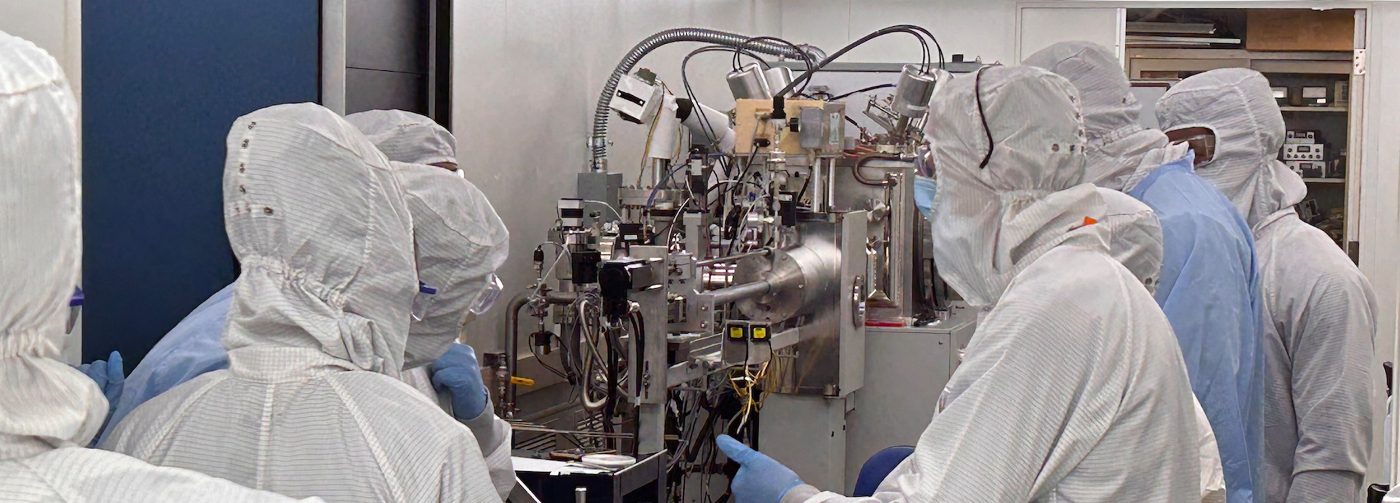
The mission of the HBCU CHIPS Network is to cultivate a diverse and skilled workforce to support the U.S. semiconductor industry. The network addresses the CHIPS for America program's "Missing Millions" challenge by creating opportunities for disadvantaged communities.
The network pursues this mission through seven strategic approaches:
- Advancing U.S. Leadership — leveraging HBCUs' collective research expertise, capabilities, and infrastructure in microelectronics technology.
- Educational Innovation — specialized curriculum development in semiconductor design and fabrication, plus internship and research opportunities with industry collaborators.
- Research Collaboration — bringing together researchers from various HBCUs to encourage interdisciplinary research and innovation in areas critical to microelectronics development.
- Financial Support — scholarships and aid making higher education accessible to underrepresented HBCU students.
- Mentorship Programs — connecting students with industry professionals and successful HBCU graduates to inspire semiconductor careers.
- Unified Advocacy — acting as a unified voice securing funding from government agencies and private companies supporting CHIPS initiatives.
- Innovation Support — backing HBCU students and faculty in developing and commercializing research findings.
Through this work, the network advances the CHIPS and Science Act's success while promoting diversity, equity, and inclusion in the semiconductor industry.
Vision
The HBCU CHIPS Network functions as a research and education consortium that serves as the nexus of collaboration and cooperation between HBCUs, government agencies, academia, and industry.
The network aims to help restore U.S. microelectronics leadership while tackling industry-wide challenges. Through its multidisciplinary approach, it addresses workforce development, research innovations, facility disparities, domestic capacity building, and stakeholder accessibility.
The initiative extends outreach to community colleges, veterans, and K-12 students, fostering a diverse and inclusive workforce that leverages research innovations including experiential learning opportunities.
The network operates through an independent consortium structure, with representatives from HBCUs and other stakeholders serving as the governing body, making decisions to advance minority participation in microelectronics — an effort first announced at its official launch at the Department of Commerce.
Governance Board
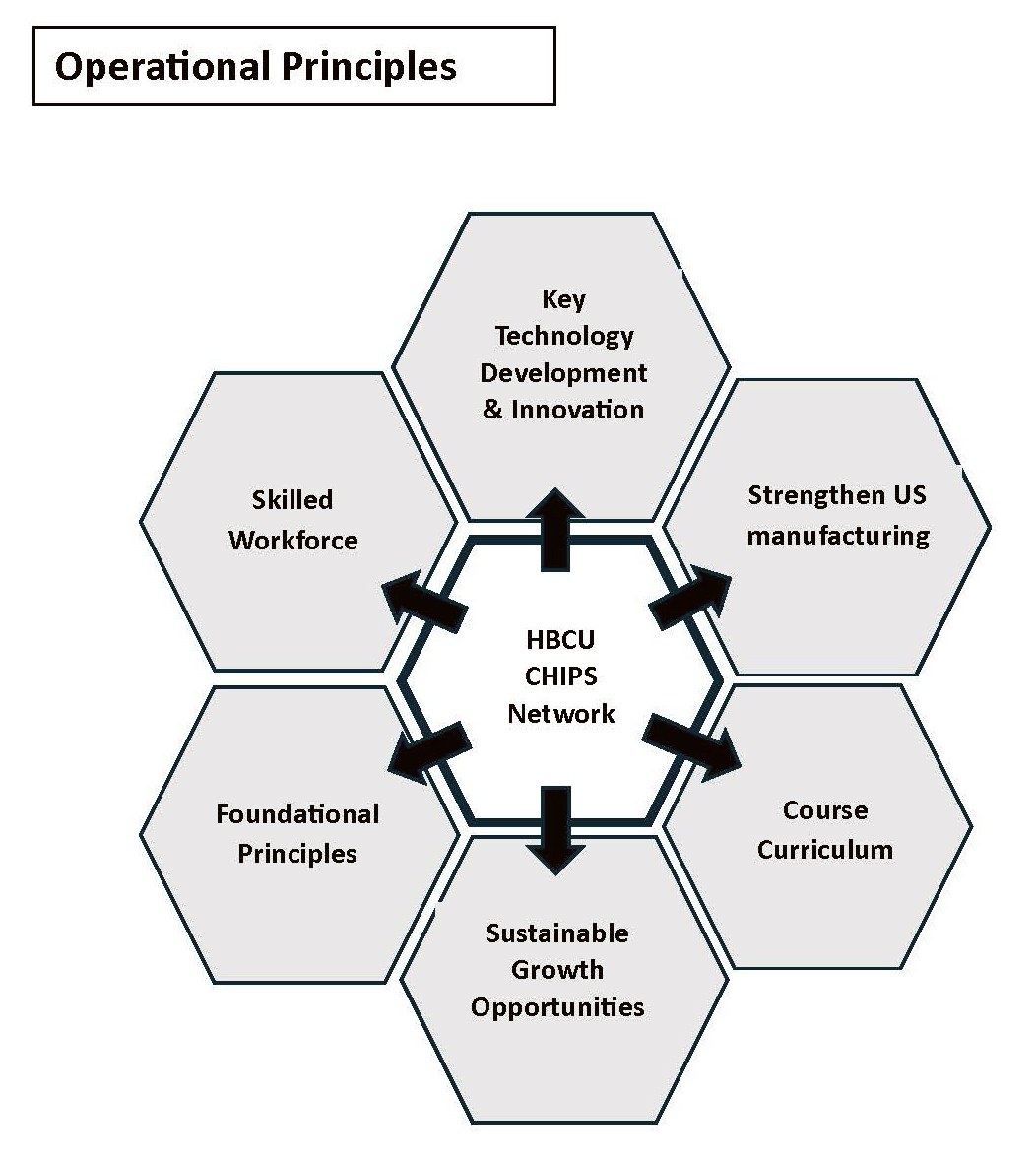
The CHIPS Network leadership and governing bodies operate through six foundational imperatives. The Governance Board is composed of four representative categories: HBCU members and affiliates, not-for-profit organizations, industry partners, and community representatives.
Leadership operates through an Executive Committee selected by Governance Board members, consisting of a chair, vice-chair, secretary, and treasurer, all elected to two-year terms. The Executive Committee manages board functions and provides necessary representation.
[PLACEHOLDER — the current site does not publicly list individual board members' names or affiliations; add a named roster here only if the network wants one published.]
Education & Outreach
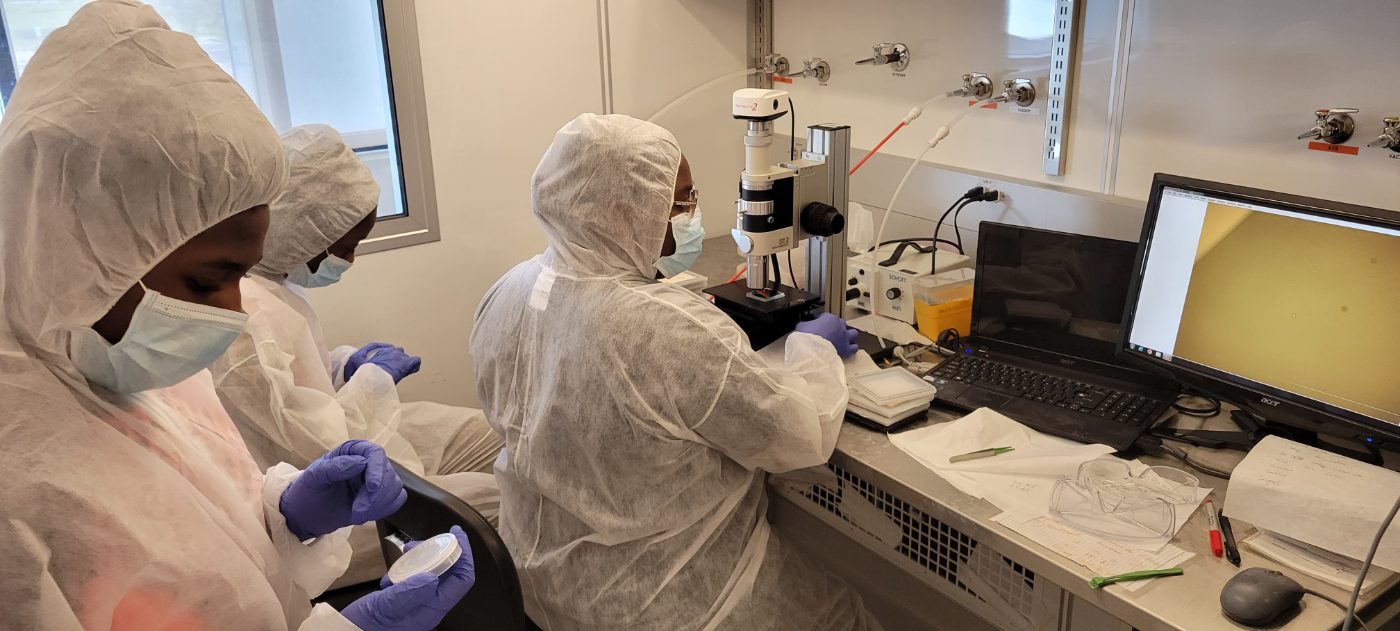
The network's education and outreach objectives are:
- shared access to semiconductor and semiconductor packaging facilities;
- development of education and workforce programs, including curriculum development and internship programs;
- the pursuit of joint responses to Creating Helpful Incentives to Produce Semiconductors (CHIPS) government solicitations; and
- sharing of best practices in facilities design and establishment of a connected CHIPS research and innovation network.
Fact sheet
View the network fact sheet (image, self-hosted — the source file is a PNG, not a PDF, despite the original label).